Head and neck cancer
What is head and neck cancer?
Head and neck cancers generally begin in the squamous cells that line the moist, mucosal surfaces inside the head and neck.
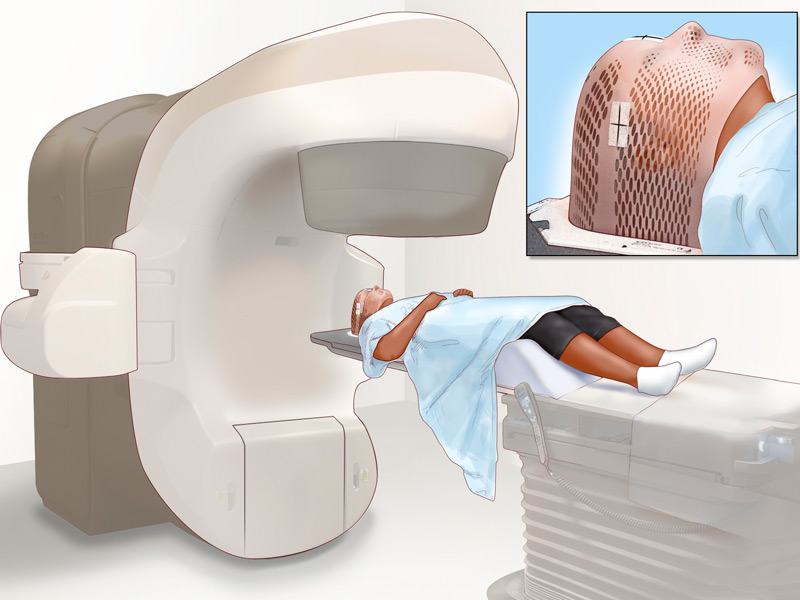
Head and neck cancers are categorized based on the area of the head or neck where they begin. These areas include: Oral cavity, Pharynx, Larynx, Paranasal sinuses, nasal cavity and, Salivary glands.
Cancers of the brain, eye, thyroid gland, as well as those of the scalp, bones, and muscles of the head and neck are not generally classified as head and neck cancers.
Below are the details of some of these treatments:
4D RADIOTHERAPY:
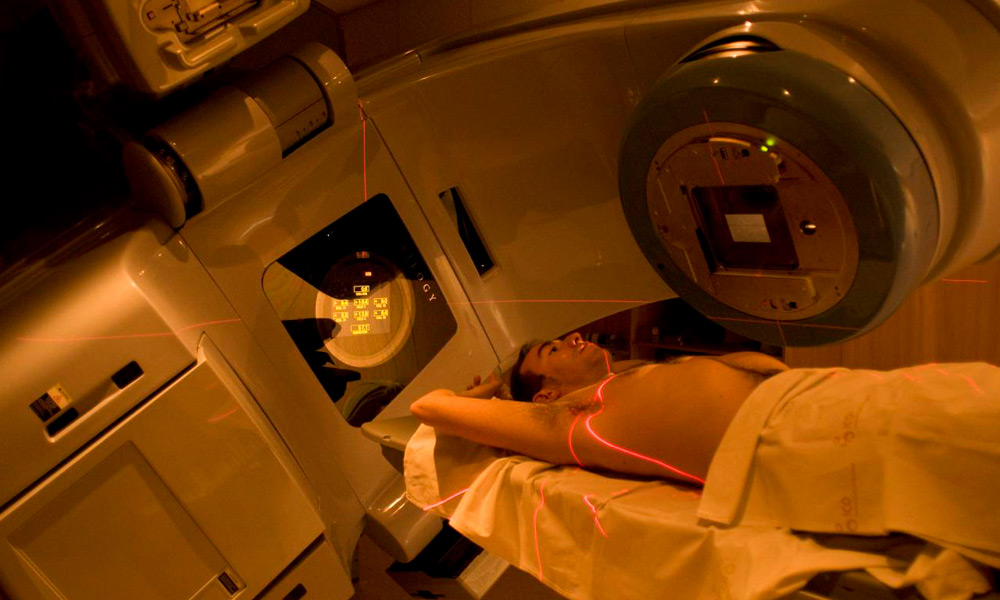
The treatment is synchronized with the patient’s breathing. This innovative radiotherapy technique benefits patients with tumors in mobile areas by taking into account the patient’s respiratory cycle.
To achieve this, the imaging systemcaptures images of the treatment area in the various positions it may take during the breathing cycle.
This technique is used in injuries in which the treated area has a lot of involuntary mobility.
Through the use of IMRT, or Intensity-Modulated Radiation Therapy, patients receive high doses of treatment with millimeter-level precision.
This translates into fewer side effects, better preservation of healthy tissue, and greater optimization of the patient's treatment time.
In addition, with the new 4D radiotherapy technology, the patient's breathing cycles are taken into account during treatment planning.
In this way, the equipment and dosage are calibrated to deliver treatment doses during the most optimal phases of the respiratory cycle, increasing the effectiveness and precision of treating mobile tumors or lesions.
IMAGE GUIDED RADIOTHERAPY (IGRT):
It combines CT scan images with radiation therapy during each treatment session, andThis allows the area to be treated to be determined as precisely as possible.
This technology places the patient in the exact spot to irradiate almost exclusively the lesion and not damage important organs.
This technology is not available in conventional radiotherapy systems.
INTENSITY MODULATED RADIOTHERAPY (IMRT):
This technology allows for the delivery of precise radiation doses to a tumor or specific areas within a tumor while reducing doses to healthy tissues.
Combined with the advantages of our linear accelerator, which offers the so-called Arc Therapy (the ability to irradiate a lesion from 360 different angles), it guarantees the highest quality in treatment.
RADIOSURGERY:
High doses in few treatments (1-5 sessions). Radiosurgery or SBRT is used in the treatment of small to medium-sized tumors.
It is a non-surgical procedure that delivers highly focused radiation at much higher doses in just one or a few treatments.
This treatment is made possible thanks to the development of highly advanced technologies that allow the delivery of maximum doses within the target while minimizing the dose received by the surrounding healthy tissue.
The goal is to deliver doses that destroy the tumor and achieve maximum local control.