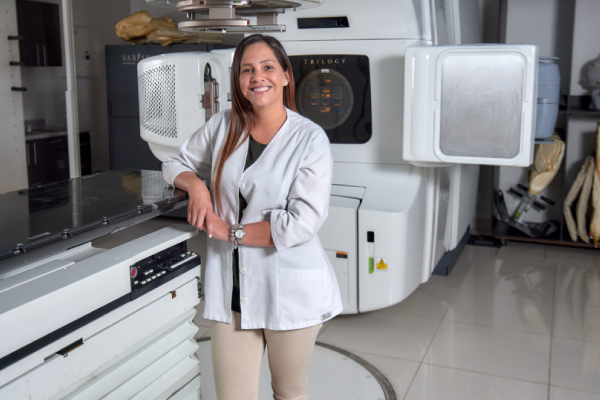
Dr. Tatiana Soto

Dr. Tatiana Soto

Oncologist and Radiation Therapist

Specialist with extensive experience in radiosurgery treatments. He has knowledge of novel approaches and techniques for intracranial and CNS injuries. Dr. Soto has specialized in comprehensive radiation oncology with an emphasis on short and precise treatments.

Academic education

Doctorate in General Medicine and Surgery

UCIMED University of Medical Sciences | Since 1998

Postgraduate Medical Specialties in Radiotherapy.

University of Costa Rica UCR. | Since 2007

Master's Degree in Health Management.

Central American Institute of Public Administration ICAP | Since 2017

International Master in Advanced Radiotherapy

University of Los Andes, Chile. IAEA-FALP | Since 2018

Work experience

Assistant Physician Specialist in Radiotherapy

San Juan de Dios Hospital | 2011 - Current

Quality Management Committee Coordinator

Radiotherapy Service San Juan de Dios Hospital | 2015 - current

Resident Doctor Specialty Radiotherapy

Calderón Guardia Hospital, Mexico Hospital and San Juan de Dios Hospital | 2007 - 2011

General medicine

National Insurance Institute (INS)
2005 - 2007

General medicine

CARIBBEAN PRESMED

Dr. Lorena Gallegos

Dr. Lorena Gallegos

Oncologist and Radiation Therapist

Dr. Gallegos has extensive experience in radiation treatments, both radiotherapy and radiosurgery. He has experience in the management of multiple and localized injuries with novel approaches.

Academic education

BLS Course, Basic Support

San Jose, Costa Rica | Since 2019

Best of SABCS

San Jose, Costa Rica | Since 2018

Cyberknife training and certification course

San Jose, Costa Rica | Since 2017

Regional training course on modern radiotherapy using linear accelerators

Argonne, Illinois, USA | Since 2016

Intraoperative radiotherapy course

San Jose, Costa Rica | Since 2012

Bachelor's and Doctorate in General Medicine and Surgery

University of Costa Rica | Since 2003

Specialty in Oncological Radiotherapy

University of Costa Rica | Since 2003

Rotation at National Cancer Institute

Mexico City, DF | Since 2003

Work experience

Postgraduate professor of oncological radiotherapy

University of Costa Rica | 2009 - Current

Assistant physician specialist in radiotherapy oncology

San Juan de Dios Hospital. Hospital and Mexico | 2003 - Current

Resident doctor of internal medicine and oncological radiotherapy

Mexico Hospital | 1999 - 2003

General Assistant Physician

United Supermarkets
1998 - 1999

Doctor and coordinator of the EBAIS of Bejuco de Nandayure

Guanacaste, Ministry of Health | 1997 - 1998

Dr. Stephanie López

Dr. Stephanie López

Oncologist and Radiation Therapist

Extensive experience in radiation oncology treatments for gastrointestinal cancer. He also has extensive knowledge in innovative radiosurgery and body radiotherapy schemes.

Academic education

Graduate in Medicine and Surgery

University of Costa Rica | Since 2008

Postgraduate in Radiotherapy

University of Costa Rica | Since 2015

Master in Advanced Radiotherapy Techniques

Arturo López Pérez Foundation -University of the Andes Santiago de Chile | Since 2018

Work experience

Medical Substitutions

Mercedes Chacón P Clinic | 2009

Company doctor

El Rosario School |

External Rotation

Oscar Lambret Institute, Lille - France | 2014

Arturo López Pérez Foundation. Santiago de Chile

2017 - 2018

Radiotherapy Assistant

Mexico Hospital | 2018 - Currently

Colorectal cancer

Cáncer Colorrectal y su tratamiento

What is colorectal cancer?

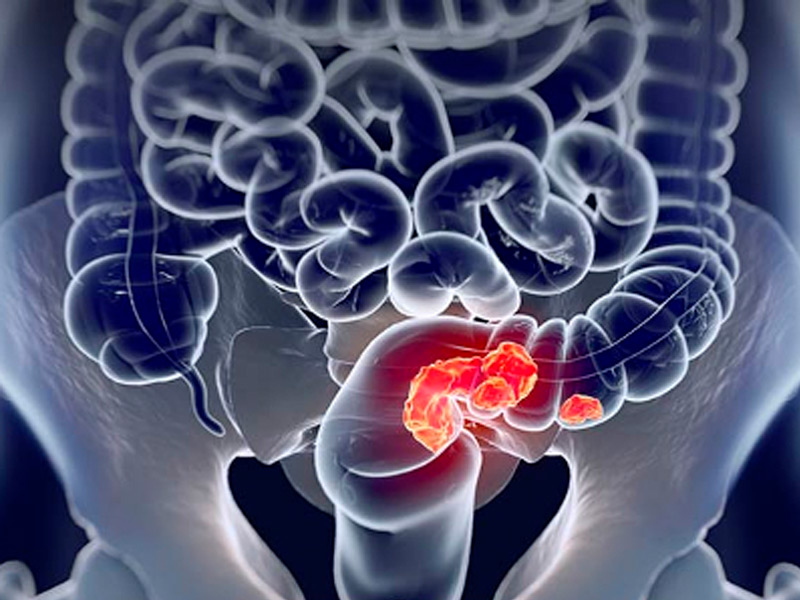
Colorectal cancer is a disease that originates in the colon or rectum. Accurate preoperative staging allows for the correct classification of patients for the various existing therapies, as well as the selection of the best surgical treatment.

It is one of the most common types of cancer worldwide. Early detection significantly improves the prognosis, and among the most commonly used treatments are radiation therapies, especially external radiotherapy.

The use of radiotherapy helps reduce tumors, relieve symptoms, and improve the effectiveness of other treatments such as surgery or chemotherapy. 

Keep reading to learn more about our available treatment options.

RISK FACTOR'S

Aging is the most important risk factor for most cancers. Other risk factors for colorectal cancer include:

FAMILY BACKGROUND: Colorectal cancer in a first-degree relative.

PERSONAL HISTORY: From colorectal adenomas, colorectal cancer or ovarian cancer.

Hereditary Conditions: Such as familial adenomatous polyposis (FAP) and Lynch syndrome (hereditary nonpolyposis colon cancer [HNPCC])

EXCESSIVE ALCOHOL CONSUMPTION

TOBACCO

AFRICAN AMERICAN RACE OR ETHNICITY

OBESITY

Clinical Features

Colorectal cancer can develop without causing discomfort in its early stages, but as it progresses, symptoms may appear such as persistent changes in bowel habits (diarrhea, constipation, or a feeling of incomplete evacuation), rectal bleeding, dark or bloody stools, frequent abdominal pain, unexplained fatigue, and unexplained weight loss.

Recognizing these signs early is key to an early diagnosis and more effective treatment.

SYMPTOMS: Rectal bleeding, change in bowel habits, abdominal pain, intestinal obstruction, change in appetite, weight loss, weakness.

With the exception of symptoms of obstruction, these symptoms do not always correlate with the stage of the disease or signify a particular diagnosis.


DIAGNOSIS: The diagnosis of colorectal cancer is made through various medical tests that detect tumors or abnormalities in the colon and rectum.

The most common tests include colonoscopy, which allows direct visualization of the inside of the intestine and the collection of biopsies, as well as exams such as the fecal occult blood test, sigmoidoscopy, and imaging studies like computed tomography (CT) scans or magnetic resonance imaging (MRI). Timely diagnosis is essential to start appropriate treatment promptly.

STAGING

In patients with colorectal cancer, staging is essential not only to estimate the prognosis but also to define the different therapeutic options.

Let’s remember that the surgeon must decide whether the patient should undergo preoperative chemo-radiotherapy, choose the surgical technique (anterior resection with or without preservation of the sphincter apparatus, transanal local resection), and thoroughly discuss the potential sequelae.

For all these decisions, it is essential to perform an optimal preoperative study and staging. This staging will change in patients undergoing preoperative chemo-radiotherapy, as its effectiveness will result in a significant reduction of the tumor mass (both in the wall and lymph nodes) in more than 70% of patients, and even a complete tumor response in approximately 10 to 20% of them.

Below are the details of some of these treatments:

SURGICAL TREATMENT: Surgery is the fundamental basis for the successful treatment of colorectal carcinoma. Its objective is the removal of the primary tumor and any loco-regional extension that may have occurred, without causing tumor spread and with the best quality of life for the patient.

CHEMOTHERAPY TREATMENT: When choosing the chemotherapy regimen to be administered, the activity and tolerance of the chemotherapy regimen and a series of factors that depend on the patient (will, general condition, comorbidity, etc.) are taken into account. It increases survival and can be given palliatively in very advanced cancers.

RADIOTHERAPY TREATMENT: The use of radiotherapy as part of the treatment for malignant neoplasms is becoming increasingly widespread.

In locally advanced primary colorectal cancer, several studies have demonstrated its efficacy, showing a decrease in local recurrence and an increase in disease-free survival, both when administered preoperatively and postoperatively.

Emerging developments such as intensity-modulated radiotherapy (IMRT), image-guided radiotherapy (IGRT), and stereotactic body radiotherapy (SBRT) are being evaluated. These techniques offer the possibility of delivering higher doses of radiotherapy without affecting normal or healthy tissue.

Currently, the Centro Médico de Radioterapia Siglo XXI has the technology and expertise to treat this type of disease, ensuring the protection of surrounding organs and tissues, thereby providing a higher quality of life for the patient.


When is radiation therapy used to treat colorectal cancer?

Before and/or after surgery to help prevent the cancer from coming back. In this case, it is often given together with chemotherapy. Many doctors now favor giving radiation therapy before surgery because it can make it easier to remove the cancerous tumor.

With or without chemotherapy to help control rectal cancers in people who are not healthy enough to have surgery or to relieve symptoms in people with advanced cancer that is causing intestinal blockage, bleeding, or pain.

To re-treat tumors that have returned in the pelvic region after undergoing radiotherapy.

To help treat cancer that has spread to other areas (Metastases), such as bones, liver, brain.

Cervical Cancer

Cervix Cancer

What is Cervix cancer?

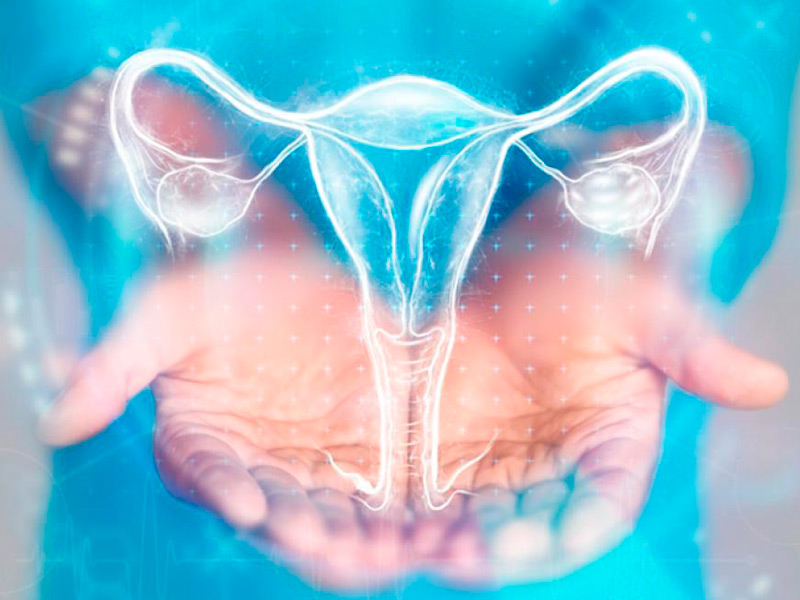
Cervical cancer begins when healthy cells on its surface start to divide uncontrollably. These changes cause abnormalities that are not necessarily cancerous but are the first steps that can lead to the development of cancer.

Cervical cancer is one of the most common cancers among women worldwide, ranking fourth in both incidence and mortality.

There are currently specialized radiotherapy techniques that contribute to disease control. Learn more in the following section

RISK FACTOR'S

Factors that may affect breast cancer risk include:

As with other chronic diseases, the incidence and mortality rates of cervical cancer increase with age; nevertheless, the greatest absolute burden of cervical cancer falls on middle-aged women. 

“Cervical cancer is one of the few common cancers in which a specific causal agent has been identified.”
 

Chronic HPV infection is the primary cause in more than 99% of cervical cancer cases. In addition to HPV-16 and HPV-18, recent international studies have expanded the list of oncogenic viruses to include types 31, 33, 35, 45, 51, 52, 58, and 59. 

Worldwide, HPV prevalence has been recorded in 99.7 percent of cervical carcinomas, with oncogenic types 16 and 18 being the most frequently detected. All factors related to acquiring the infection are considered risk factors.

HPV is the most common sexually transmitted infection, and the majority of sexually active people come into contact with the virus at some point in their lives. 

Environmental agents such as tobacco smoke, hormonal contraceptives, diet, and various infectious microorganisms have been evaluated as possible cofactors of HPV in cervical carcinogenesis.

Well-controlled epidemiological studies have shown that patients with HPV-positive cervical cancer are twice as likely to have been smokers compared to HPV-positive controls. Additionally, some recent studies in HPV-positive women have indicated that the risk of cervical cancer is higher in those who have used oral contraceptives for more than 10 years.

Factors to consider:

  •  Early age of initiation of sexual relations
  •  High-risk partners
  •  Immunosuppression (transplant patients, patients with autoimmune diseases being treated with steroids, HIV, etc…)
  •  History of coinfection with a sexually transmitted disease.
  •  Use of the contraceptive pill, because it is usually associated with not using barrier methods.
  • Smoking doubles their risk compared to non-smokers.
  •  Multiparity and first pregnancy at a young age
  •  Type of HPV infection, due to the oncogenic potential of each subtype.
 
¿Qué es la radioterapia?

In the earliest stages the disease is frequently asymptomatic. The earliest symptoms include:

SYMPTOMS:

Abnormal genital bleeding (irregular/intermittent), Bleeding after sexual intercourse (coitorrhagia) or during gynecological examination, Smelly discharge, is very nonspecific, but may be indicative of vaginitis or cervicitis, Pelvic or lower back pain, Discomfort when urinating (dysuria) or Rectal tenesmus, Gynecological bleeding after menopause, Pain during sexual relations (dyspareunia).

DIAGNOSIS:

Cytology using the Papanicolaou technique has low sensitivity for diagnosing high-grade lesions but compensates with high specificity.

The combination of molecular detection of human papillomavirus (HPV) and cytology achieves a sensitivity of up to 96% for detecting these lesions.

The Papanicolaou test has reduced the incidence rate of cervical cancer by 60%–90% and the mortality rate by 90%. 

DIAGNOSTIC TOOLS

Physical and gynecological examination: 

A visual examination of the cervix is performed using a speculum. Lesions visible with this technique include ulcerations, exophytic tumors on the exocervix, and infiltration of the endocervix.

Cervical cytology (Papanicolaou):

It is the main population screening method. It identifies abnormal cells. It has low sensitivity but high specificity.

HPV test:

A test with high sensitivity and specificity.

Colposcopy:

It is performed when any of the screening tests are positive or if there is clinical suspicion. It allows for a more detailed view of the morphology of suspicious lesions and enables biopsies to be taken during the same procedure.

Cervical biopsy:

It involves taking a small sample of the suspicious lesion to confirm the suspected diagnosis.

Image tests:


Cystoscopy and/or rectosigmoidoscopy: It consists of performing a direct visualization of the bladder and rectum respectively in case of suspicion of infiltration by the tumor.
– Urography: allows evaluation of the urinary tract in the event of suspicion of locally advanced disease.
– Transvaginal Ultrasound.
– Computed Tomography (CT): It can be used instead of chest x-ray and urography for staging and is also useful for assessing lymph node involvement.
– Magnetic resonance: very useful test for local staging of the disease by determining tumor size, invasion of adjacent tissues and lymph node involvement.

Positron emission tomography (PET): This nuclear medicine imaging test uses a small amount of radioactive material to help determine how much cervical cancer has spread.

Treatment depends on the diagnosis, the size, location and stage of the tumor, as well as your general health and physical condition. Depending on the extent of the cancer and risk assessment, treatment may consist of one or more therapies:

SURGERY:

The conventional schedule for delivering radiation to the whole breast is 5 days a week (Monday through Friday) for 6 to 7 weeks. Another option is hypofractionated radiation therapy in which radiation is also given to the entire breast, but in higher daily doses (Monday through Friday) using fewer treatments (usually for only 3 to 4 weeks).

RADIOTHERAPY:

Radiotherapy may be administered after surgery or instead of surgery, and it is the preferred treatment at any stage of the disease, except for the earliest stages.

It is also used to treat some patients with locally advanced cervical cancer and can be used to manage certain symptoms of metastatic disease, serving as neoadjuvant or adjuvant therapy depending on the case.

It is a treatment administered on an outpatient basis, 5 days a week, for approximately 5 weeks. The administration of radiotherapy treatment lasts only a few minutes and is not painful.

Currently, there are very sophisticated advanced treatment techniques with external radiotherapy that allow high doses of radiation to be administered to the treatment area, minimizing the radiation dose to the healthy organs surrounding the tumor and demonstrating that the overall survival and the disease-free period In this type of pathology, the application of these techniques is favored.

Currently, the Centro Médico de Radioterapia Siglo XXI has these technologies and the expertise to treat these types of conditions, ensuring the protection of surrounding organs and tissues, reducing toxicities in the urinary and gastrointestinal tracts, thereby providing a higher quality of life for the patient. These techniques include:

Intensity Modulated Radiotherapy IMRT

It allows variation of the radiotherapy dose and intensity during treatment. This computerized technology enables the delivery of precise radiation doses to a tumor or specific areas within a tumor while reducing doses to healthy tissues.

* IGRT:

It allows the delivery of higher doses of radiotherapy through the use of advanced imaging techniques such as magnetic resonance spectroscopy or an integrated imaging scanner. This advancement enables the physician to take images of the area just before administering radiation to make minor adjustments in the beam direction, helping to deliver radiation even more precisely.

CHEMOTHERAPY:

The use of radiotherapy as part of the treatment of rectal malignancies is increasingly widespread. In locally advanced primary rectal cancer, several studies have demonstrated its effectiveness, with a decrease in local recurrence and an increase in disease-free survival, both in its preoperative and postoperative administration. Emerging developments such as intensity-modulated radiation therapy (IMRT), image-guided radiation therapy (IGRT), and stereotactic radiation therapy (SBRT) are being evaluated. These techniques offer the possibility of providing greater radiotherapy without involving normal or healthy tissue.

Gastric cancer

Gastric Cancer and its Treatment

What is Gastric cancer?

The gastric cancer It is a general term for any malignant tumor that arises from the cells of any of the layers of the stomach. It is the most common neoplasm of the digestive tract worldwide, being the third cause of death from cancer worldwide in both sexes. The term gastric cancer refers to adenocarcinomas of the stomach, the most common histological type, which represent a 95% of malignant tumors of this organ. Except in Japan, carcinoma of the stomach is generally in an advanced stage of development at the time of diagnosis, with infiltration beyond the submucosa and invasion of the gastric wall.


RISK FACTOR'S

They are the agents or conditions that predispose or increase the chances of having a certain disease.

NUTRITIONAL FACTORS: Diets rich in salt and smoked foods typical of Japan, Korea and China, low in fresh fruits and vegetables, and high concentrations of nitrates in foods favor the risk.

ENVIRONMENTAL FACTORS: Poor food preparation, lack of refrigeration and poor water that may have high concentrations of nitrates or Helicobacter pylori increase the risk.

TOBACCO: Tobacco increases the risk of developing many cancers, including stomach cancer.

PREDISPOSING DISEASES OR CONDITIONS: Diseases or predisposing conditions:

Previous gastric surgery: It takes years for cancer to appear on the residual stomach (gastric stump). In general, this period is usually longer than 10 -15 years.

Chronic atrophic gastritis: It can degenerate until it becomes cancer.

Pernicious anemia: It is a special type of anemia, which increases the risk by about 20 times.

Gastric polyps: The risk of cancer developing on a polyp depends, among other factors, on the size of the polyp and its histology. In general, the larger the size, the greater the risk of malignancy.

H. Pylori infection: H. pylori is a bacteria that can be found in the stomach and cause ulcers and chronic gastritis. Worldwide it is the most important risk factor for gastric cancer. However, despite the increased risk of gastric cancer, most people with this infection will NOT develop it.

Gastroesophageal reflux: Increases the risk of cancer of the gastroesophageal junction.

Family Factors

DIAGNOSIS

The diagnosis of gastric cancer is based on clinical history, physical examination, blood tests, imaging tests such as CT, upper digestive endoscopy (gastroscopy) and biopsy.

CLINIC

ASYMPTOMATIC: Gastric cancer may not produce symptoms until advanced stages.

Recent nipple inversion scaly, peeling, crusting, and peeling of the pigmented area of skin surrounding the nipple (areola) or breast skin, Redness or small holes in the skin over your breast , like the peel of an orange.

SYMPTOMS: Symptoms (what the patient notices) are usually vague and nonspecific. The most common are indigestion, weight loss, upper abdominal pain, changes in bowel frequency, loss of appetite, and gastrointestinal bleeding. Bleeding can be of various types and cause anemia. Nausea and vomiting, a feeling of early fullness (feeling of being full after eating little) due to lack of distention of the gastric wall, ascites (accumulation of fluid in the abdomen), fatigue, etc. may also be noted.

TREATMENT

Endoscopic mucosal resection (EMR): This REM technique consists of removing the tumor using gastroscopy and is reserved for cancers that are in early stages.

Below are the details of some of these treatments:

SURGERY: Gastrectomy is the standard surgical technique to resect the primary tumor.

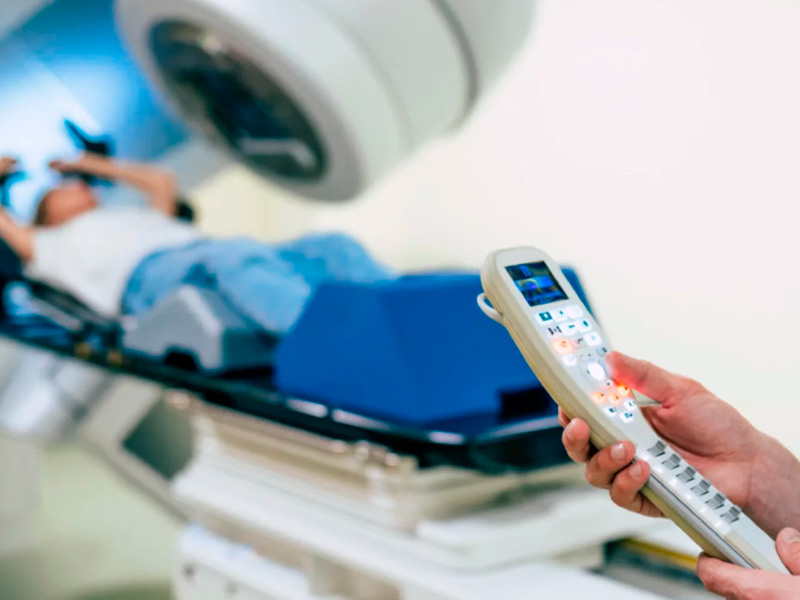
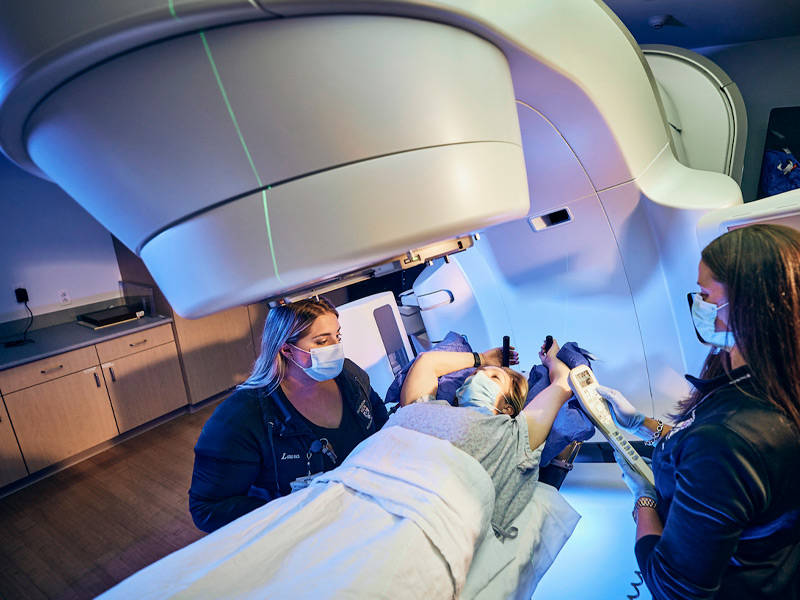
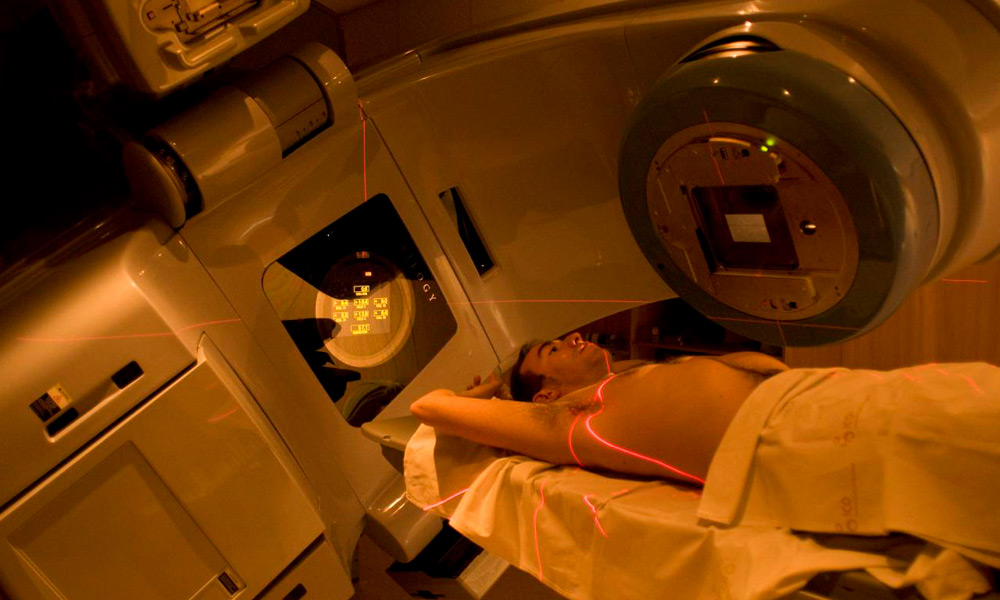
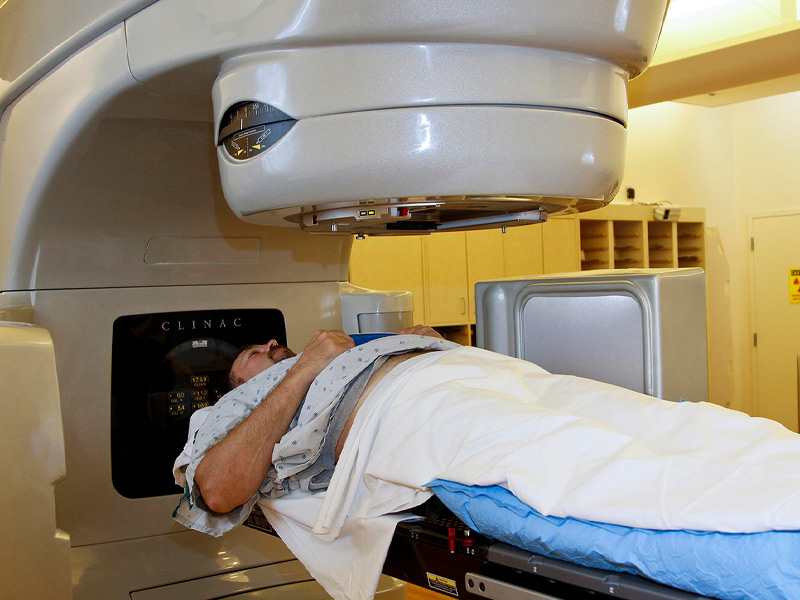
RADIOTHERAPY: It is treatment with ionizing radiation with technologies such as intensity modulated radiotherapy (IMRT). These treatments use special computers and techniques to focus radiation on the cancer and limit damage to adjacent normal tissues. The patient lies on the table and has to remain still for the minutes that the radiotherapy administration lasts. Radiotherapy is NOT a painful treatment.

Currently, the Siglo XXI Radiotherapy Clinic has the technology and experience to treat this type of disease, guaranteeing the protection of surrounding organs and tissues, thus providing a higher quality of life for the patient.

To treat gastric cancer, radiotherapy can be used in different ways:


After surgery called adjuvant radiation therapy can be used to destroy small remnants that cannot be removed with surgery. Radiotherapy can be accompanied by chemotherapy to prevent or postpone recurrence and increase its effectiveness.


Less frequently, it can be administered before surgery in a neoadjuvant manner with chemotherapy to try to reduce the size of the tumor and facilitate surgery. The decision to administer radiotherapy pre- or postoperatively depends on a series of factors that vary from one patient to another and will be decided by the treating physician.
As a palliative treatment, radiation therapy is effective in slowing growth, controlling pain, and relieving symptoms of advanced gastric cancer. In this situation, it is usually administered alone, without chemotherapy.

Head and neck cancer

Head and neck cancer

What is head and neck cancer?

Head and neck cancers generally begin in the squamous cells that line the moist, mucosal surfaces inside the head and neck.

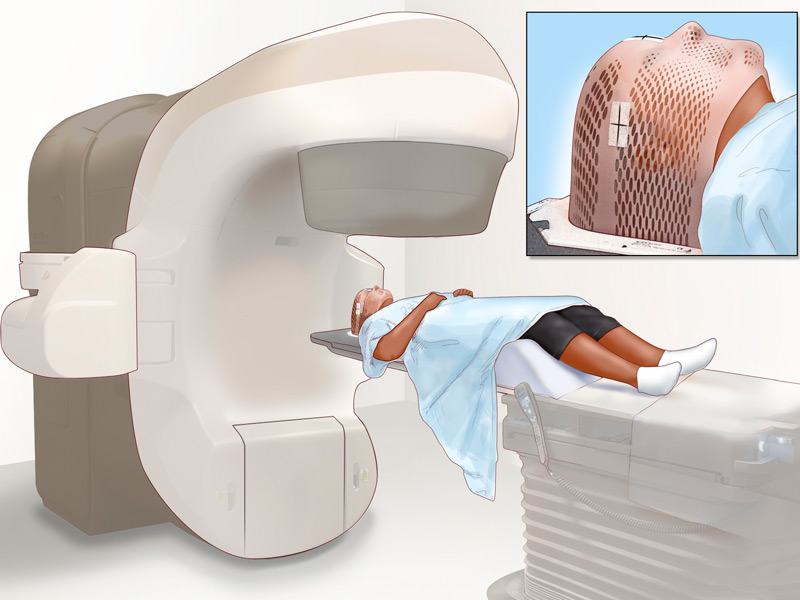
Head and neck cancers are categorized based on the area of the head or neck where they begin. These areas include: Oral cavityPharynxLarynxParanasal sinuses, nasal cavity andSalivary glands.

Cancers of the brain, eye, thyroid gland, as well as those of the scalp, bones, and muscles of the head and neck are not generally classified as head and neck cancers.

Below are the details of some of these treatments:

4D RADIOTHERAPY: 

The treatment is synchronized with the patient’s breathing. This innovative radiotherapy technique benefits patients with tumors in mobile areas by taking into account the patient’s respiratory cycle.

To achieve this, the imaging systemcaptures images of the treatment area in the various positions it may take during the breathing cycle. 

This technique is used in injuries in which the treated area has a lot of involuntary mobility.

Through the use of IMRT, or Intensity-Modulated Radiation Therapy, patients receive high doses of treatment with millimeter-level precision.

This translates into fewer side effects, better preservation of healthy tissue, and greater optimization of the patient's treatment time.

In addition, with the new 4D radiotherapy technology, the patient's breathing cycles are taken into account during treatment planning.

In this way, the equipment and dosage are calibrated to deliver treatment doses during the most optimal phases of the respiratory cycle, increasing the effectiveness and precision of treating mobile tumors or lesions.

IMAGE GUIDED RADIOTHERAPY (IGRT): 

Combina imágenes de tomografías computarizadas con radioterapia durante cada sesión de tratamiento, esto permite determinar la forma más precisa posible el área a tratar.

Esta tecnología ubica al paciente en el punto exacto para irradiar casi de forma exclusiva la lesión y no dañar órganos importantes.

Esta tecnología no está disponible en sistemas de radioterapia convencionales.

INTENSITY MODULATED RADIOTHERAPY (IMRT): 

This technology allows for the delivery of precise radiation doses to a tumor or specific areas within a tumor while reducing doses to healthy tissues.

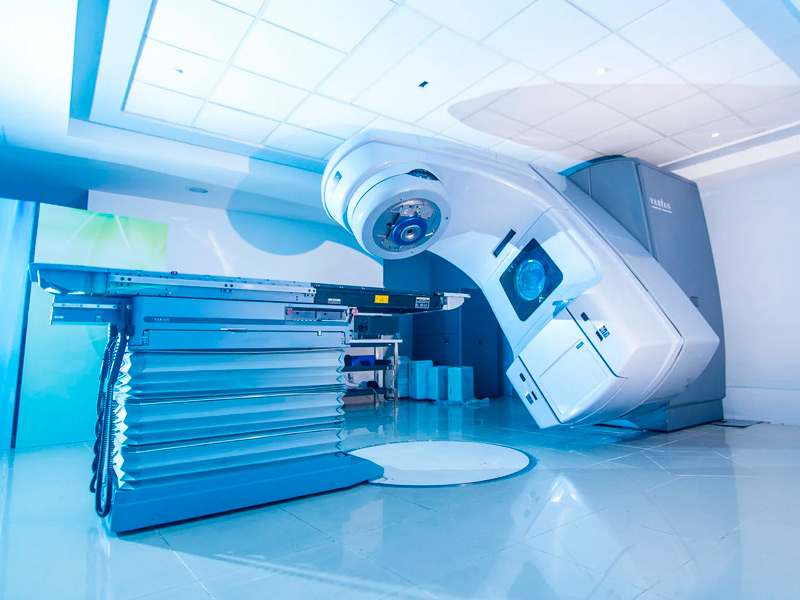
Combined with the advantages of our linear accelerator, which offers the so-called Arc Therapy (the ability to irradiate a lesion from 360 different angles), it guarantees the highest quality in treatment.

RADIOSURGERY: 

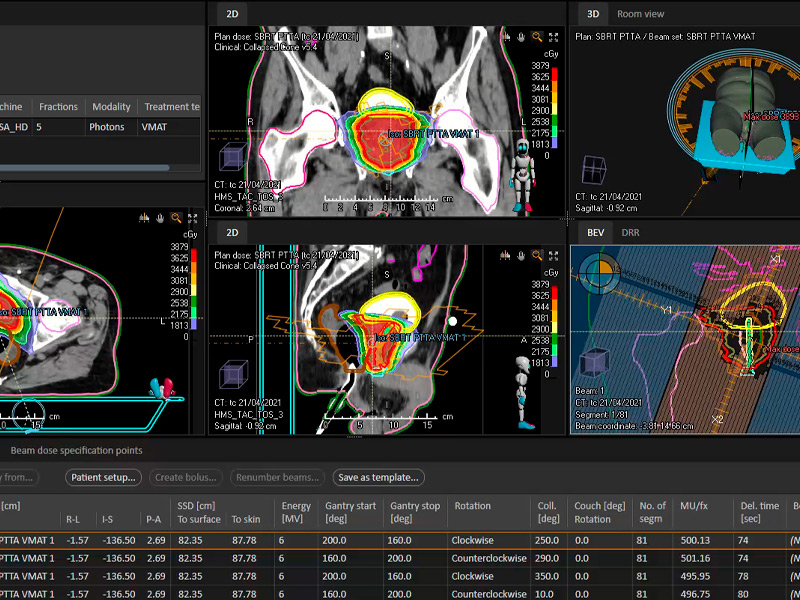
High doses in few treatments (1-5 sessions). Radiosurgery or SBRT is used in the treatment of small to medium-sized tumors.

It is a non-surgical procedure that delivers highly focused radiation at much higher doses in just one or a few treatments.

This treatment is made possible thanks to the development of highly advanced technologies that allow the delivery of maximum doses within the target while minimizing the dose received by the surrounding healthy tissue.

The goal is to deliver doses that destroy the tumor and achieve maximum local control.

Prostate cancer

Prostate cancer

What is prostate cancer?

Prostate cancer is the second most common type of cancer among men in the United States, and according to the incidence in Costa Rica between the period from 2000 to 2015, prostate cancer was also the most common in men, followed by skin, stomach, colon and lung.

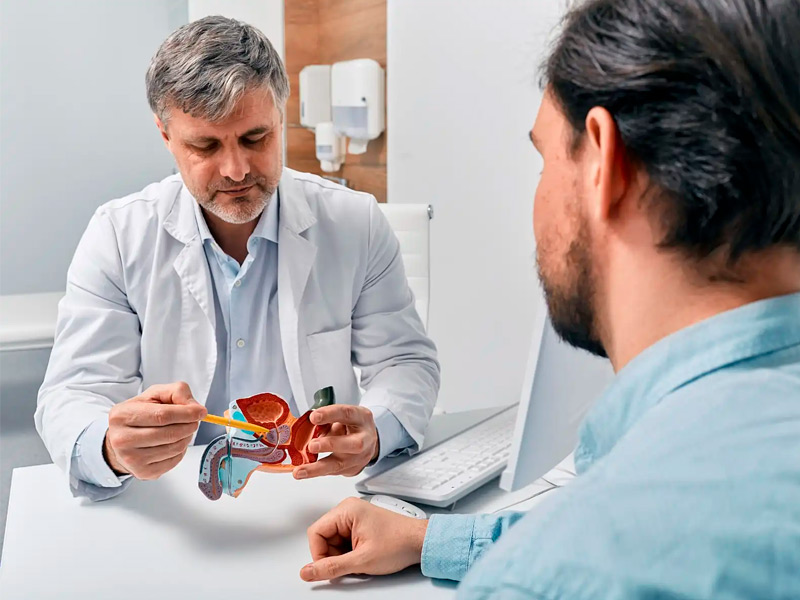
The prostate is a gland that only men have, therefore it belongs to the male reproductive system, it is located just below the bladder and in front of the rectum. Prostate cancer occurs when prostate cells begin to grow out of control.

Learn more in the following section.

HOW CAN PROSTATE CANCER BE DIAGNOSE?

The most common tests for prostate cancer are:

RECTAL TOUCH: 

It consists of an examination in which the doctor wears a lubricated glove and palpates the prostate through the rectal wall via the rectum, searching for nodules or abnormal areas. The prostate gland is located immediately in front of the rectum, and most cancers begin in the back part of the gland, which can be felt during a rectal exam. 

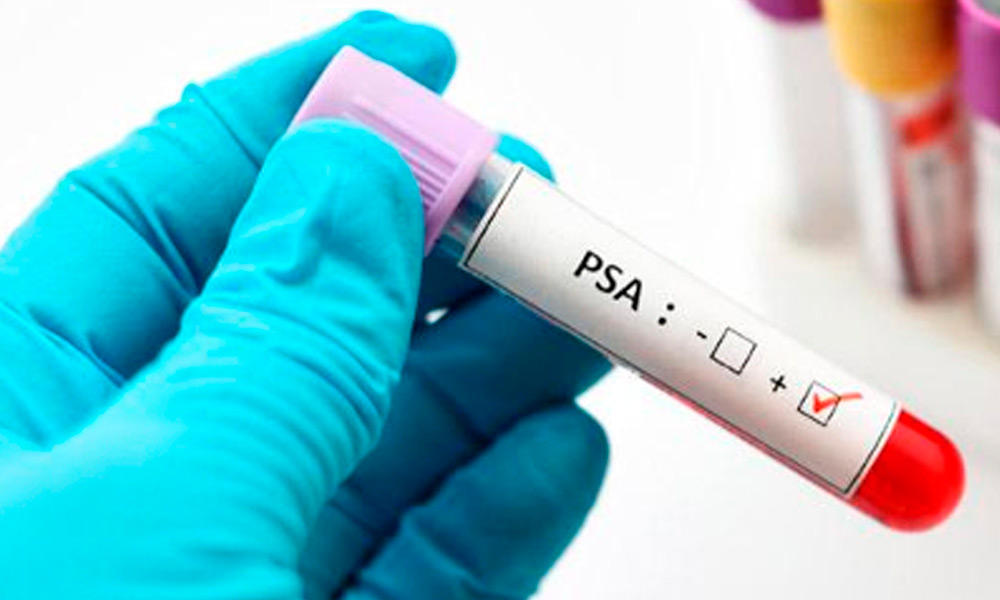
PROSTATE ANTIGEN TEST: 

It measures the level of the Prostate Specific Antigena protein found in a man's blood, produced by the prostate gland.

The likelihood of having prostate cancer increases as the PSA level rises. Most men without prostate cancer have PSA levels less than 4 ng/mL of bloodWhen prostate cancer develops, the PSA level often rises above 4. A level below 4 ng/mL does NOT guarantee that a man does not have cancer." 

PROSTATE BIOPSY: 

The doctor obtains tissue from the gland to determine if cancer cells are present. This test is the only way to know for sure if a man has prostate cancer.

If prostate cancer is found in the biopsy, it will be assigned a grade. The grade of the cancer is based on how abnormal the cancer looks under the microscope. This test will confirm the cancer diagnosis and give us an idea of the tumor volume and aggressiveness. The Gleason score, which has been used for many years, assigns grades by comparing the cancer with normal prostate tissue.

SYMPTOMS: 

Need to urinate often, especially at night

Difficulty starting or stopping urine stream

Difficulty urinating

Dripping urine when laughing or coughing

Blood in urine or semen

A dull pain or stiffness in your lower back, ribs, or upper thighs

TREATMENT

Among the techniques that are used and provided in 21st Century Radiotherapy are:

INTENSITY MODULATED RADIOTHERAPY (IMRT):

It allows varying (scaling) the RT dose and intensity during therapy. It reduces side effects and facilitates treatment when pelvic lymph nodes need to be included in the field.

This technique uses a machine that moves around the patient as it emits radiation. In addition to setting up the beams and directing them to the prostate from various angles, the intensity of the beams can be adjusted to limit the radiation doses reaching the surrounding normal tissues. This allows doctors to deliver an even higher dose of radiation to the cancer. Conozca más de esta técnica.

STEREOTAXIC RADIOTHERAPY (SBRT): 

It consists of administering a high dose of irradiation to the prostate using complex and precise radiotherapy techniques. Currently, early stages can be treated with this radiotherapy technique in just 5 days in our center with greater precision without increasing the side effects of the treatment. Learn more about this treatment technique

IMAGE GUIDED RADIOTHERAPY (IGRT): 


It also allows the administration of higher doses of external radiotherapy by using advanced imaging techniques such as magnetic resonance imaging or an integrated imaging scanner.

This advancement allows the doctor to take images of the prostate just before delivering radiation to make minor adjustments in the direction of the beams. This helps administer radiation even more precisely, leading to fewer side effects. It is a novel technique currently used in our medical center.


ACTIVE SURVEILLANCE: 

For very low risk and low risk stages. If you and your doctor agree that active surveillance is a good idea, your treatment will include regular doctor visits and blood tests to measure prostate-specific antigen (PSA).

If the cancer grows or your condition changes, your doctor may start treatment