
General Information about Nutrition for Cancer Patients

By: Dr. Meyryn Carrillo
Physician and Surgeon, Master in Clinical and Oncological Nutrition.
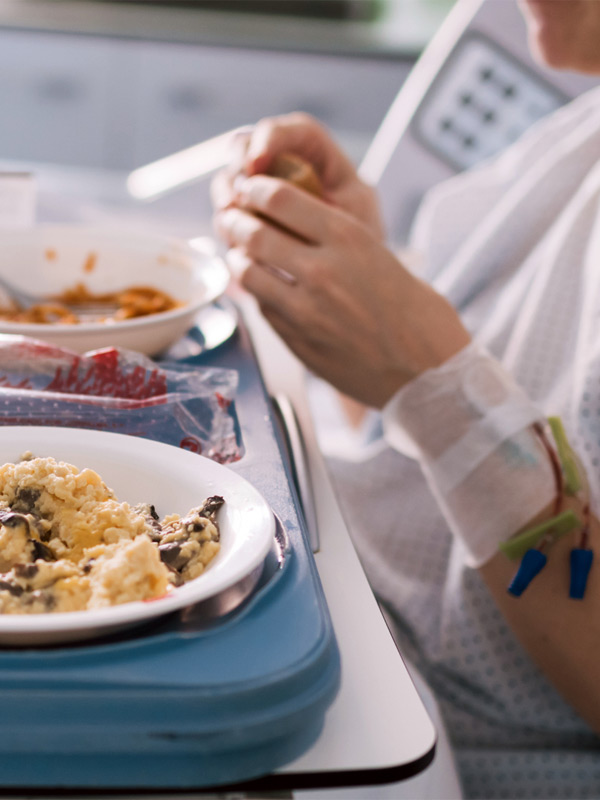
Diet is an important part of cancer treatment. By maintaining proper nutrition before, during and after your treatment you will feel better and have more strength to perform daily tasks. People with cancer often need to follow a different diet than what is considered healthy. For most people, a healthy diet consists of eating:
- Lots of fruit, vegetables and whole grain bread and cereals
- Little meat and dairy products
- Small amounts of fat, sugar, alcohol and salt
However, when you have cancer, you need to eat to maintain your energy in order to overcome the side effects of the treatment. When health is good, it is usually not a problem to eat enough food. But, when faced with cancer and treatment, this can be a real challenge.
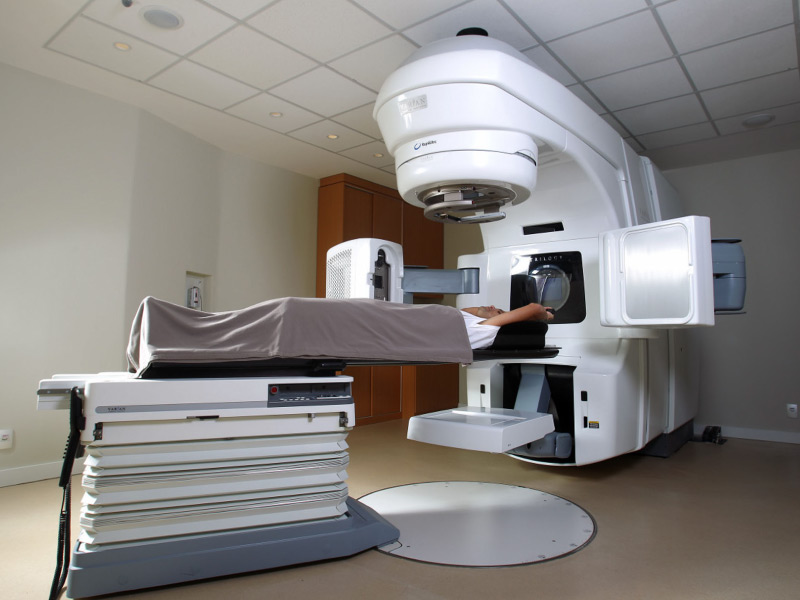
When we talk about the medical term “intra-fraction elongated intervals,” we are referring to the time separation between radiation doses within a treatment. Administration of fractionated doses allows normal cells time to repair damage caused by radiation, while cancer cells, which often have a more limited repair capacity, can accumulate damage and eventually die (Shibamoto, Miyakawa, Otsuka , & Iwata, 2016).
People experience different emotions and physical reactions before, during and after cancer treatment. Good nutrition is very important for patients diagnosed with any type of cancer because it helps them feel better, cope better with the recommended medical treatment, and fight the disease. There are times when a person cannot consume an adequate diet, which can cause weight loss and general weakness.
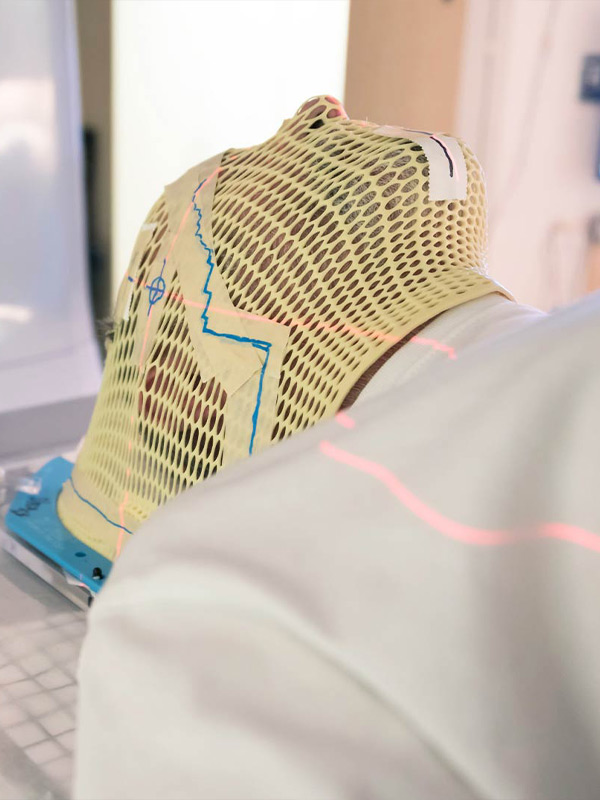
When cancer is diagnosed, the doctor may recommend one of these treatments, such as: surgery, radiation therapy, chemotherapy, hormonal and biological therapy (immunotherapy), or some combination of these. All of these methods have side effects that can affect a person's getting adequate nutrition including:
SIDE EFFECTS
- Loss of Appetite
- Changes in Taste and Smell
- Weight Loss or Gain
- Nausea and Vomiting
- Mouth or Throat Irritation
- Diarrhea
- Dryness in the mouth
- Lactose intolerance
- Dental and Gum Problems
- Constipation
Whether you experience these side effects will depend on many factors, including the type of cancer, the part of the body that was treated, and the type, duration, and dose of treatment. Some eating problems are caused by the treatment itself, but sometimes they are a result of the person feeling upset, worried or scared. While you are undergoing treatment for cancer, you should consult with a Nutritionist to make specific recommendations about adequate nutrition.
To obtain better nutrition, some general dietary recommendations can be followed, depending on the side effect:
Loss of Appetite: It is recommended to consume small and frequent meals. You should have snacks high in calories and protein within reach, to consume them when you feel hungry. Example: Turrialba Cheese or Peanut Butter with non-dairy Crackers, Low-fat Yogurt or Nuts.
Weightloss: It is recommended to follow the recommendations when there is loss of appetite.
Weight gain: It is important to notify the doctor because it can often be fluid retention (edema). Whether it is fluid retention or body weight gain, you should consult with the Nutritionist.
Mouth or Throat Irritation: You should consult your doctor to make sure it is not a dental problem. Eat soft foods that are easy to chew and swallow. Example: Some types of Smoothies, Bananas, Pureed or Canned Fruits, Nectars, Low-fat Yogurt, Mashed Potatoes, Macaroni in natural tomato sauce, Jellies, Flans with lactose-free and skim milk, Scrambled Eggs, Hot Cereals, Pureed Vegetables , Meat Purees etc.
Dryness in Mouth: It is recommended to take a sip of water every 5 or 10 minutes so you can swallow better. You should consume sweet or acidic drinks, such as lemonade, suck on candy, lollipops or chewing gum to produce more saliva. Sauces and dressings can be added to foods and consumed pureed to make them easier to swallow.
Changes in Taste and Smell: You may experience a bitter or metallic taste in foods, especially meats or other high-protein foods. Additionally, many foods may feel less flavorful. You should choose the most attractive foods to see and smell. If you do not want to consume beef or pork because of the flavor you feel, you can consume white meats such as poultry, fresh fish with little odor, eggs or dairy products. Foods can be marinated in sweet fruit juices, Italian dressing, or sweet and sour sauce. If you are experiencing discomfort from odors, it is recommended to serve food at room temperature.
Nausea and Vomiting: You should ask your doctor about medications called antiemetics that can help control nausea and vomiting. It is recommended to avoid foods high in fat, spicy, acidic, very sweet and with a strong smell. Less liquids should be taken with meals. Take small sips of liquids throughout the day.
Diarrhea: You should consult your doctor to identify the cause of diarrhea in order to treat it successfully. It is recommended to drink large amounts of fluids to replace lost water. Instead of eating three large meals, you should eat small meals throughout the day and avoid foods high in fat and irritants.
Constipation: It is recommended to drink at least 8 8-ounce glasses a day and consume foods high in fiber, such as: Whole Grain Breads and Cereals, Dried and Fresh Fruits with Skin, Fresh Vegetables, Potatoes with Skin, Beans, Beans and Chickpeas. It is important to consult your doctor beforehand since, depending on the treatment, some foods are excluded from the diet.
When cancer is diagnosed, it is very important to undergo appropriate treatment following the recommendations of the Doctor and Nutritionist.
*This information does not constitute or replace a diet. Always consult your Doctor or Nutritionist *