Warning signs, symptoms, treatment options and more… We answer your most frequently asked questions about Lymphoma.
Continue reading
Warning signs, symptoms, treatment options and more… We answer your most frequently asked questions about Lymphoma.
Continue reading
Prostate cancer is a malignant tumor that develops in the prostate gland, a small organ located below the bladder that produces part of the seminal fluid.
It is one of the most common cancers in men, especially those over 50. Detecting it early greatly increases the chances of cure.
Prostate cancer is so common because the prostatelike other body tissues, undergoes changes with age and is influenced by hormonal and genetic factors that increase the risk of abnormal cell growth.
The main Reasons for Its High Frequency are:
In summary: Prostate cancer is common because it combines a high risk factor related to age and hormones, with today’s greater diagnostic capacity. The good news is that when detected early, control and cure rates are very high.
In its early stages, prostate cancer may not cause any symptoms. However, some warning signs include:
Important: These symptoms may also be caused by benign prostate conditions, but they should always be evaluated by a urologist.
Treatment will depend on the stage of the disease, the patient’s age, overall health, and personal preferences. The main options include:
| Treatment | What Does It Involve? | Advantages | Possible side effects |
|---|
| Surgery | Complete removal of the prostate through surgery | Physical elimination of the tumor. | Risk of urinary incontinence, erectile dysfunction, slower recovery. |
| Radiotherapy | Use of radiation to destroy cancer cells, either externally or internally (brachytherapy) | No incision required, fast recovery, preservation of healthy tissues. | Temporary urinary or rectal irritation, mild fatigue. |
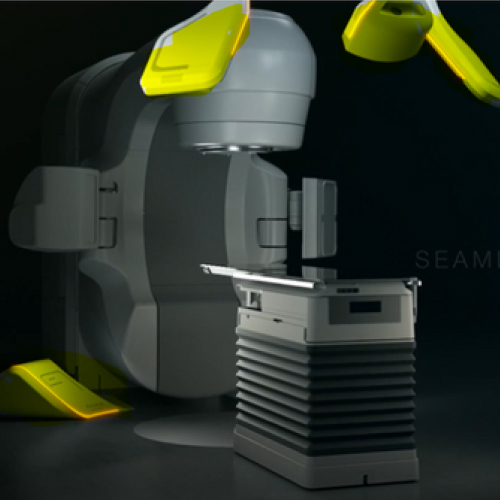
| Radiosurgery or SRS | Ultra-precise radiotherapy in 1–5 sessions Treatment available at our Medical Center – Learn more | Outpatient treatment, painless, high precision, minimal damage to healthy tissues. | Mild and temporary discomfort. |
Radiosurgery is not traditional surgery but an advanced form of radiotherapy guided by real-time imaging.
It is recommended for:
1. Does radiotherapy hurt?
No, the treatment is painless and performed on an outpatient basis.
2. Will I lose my sexual function with radiotherapy?
There is a risk, but it is lower than with surgery, and most patients maintain their sexual function.
3. Will radiotherapy make me radioactive?
No. After treatment you can safely be around your family without any risk.
Prostate cancer has multiple treatment options. Radiotherapy and radiosurgery are effective, safe, and less invasive alternatives to traditional surgery, offering a high probability of tumor control with fast recovery.
The key lies in early diagnosis early diagnosis and in choosing, together with your doctor, the most appropriate option for your case.

Radiosurgery may be the non-invasive alternative you're looking for. Learn more in this article.
Continue reading
Facing a cancer diagnosis raises many questions, and finding the best treatment options becomes a top priority. Among the various available therapies, radiation therapy stands out as a cornerstone of modern oncology. But why is it an option worth considering? At
Radiotherapy in the 21st Centurywe aim to provide you with clear and objective information so that you, your family, and your friends can better understand its role on the path to recovery.
Radiation therapy is a type of cancer treatment that uses high-energy radiation to damage and destroy cancer cells, preventing them from growing and dividing. It works with great precision, targeting the tumor while striving to protect nearby healthy tissue.
Check a video about how a radiation therapy treatment is planned
Its effectiveness lies in its ability to act directly on the DNA of malignant cells. Cancer cells are more vulnerable to radiation than normal cells because they have a less efficient DNA repair capacity. This allows the treatment to selectively eliminate them.
The decision to undergo radiation therapy is based on a thorough evaluation of each individual case, but there are several key reasons why it is considered a valuable therapeutic option
Radiation therapy is highly effective for many types of cancer.In some cases, it may be the main treatment used to completely cure the disease. In others, it is used to shrink a tumor before surgery (neoadjuvant), to destroy remaining cancer cells after surgery (adjuvant), or in combination with chemotherapy to enhance its effects. Its precision allows the necessary dose to be concentrated in the affected area, maximizing damage to the tumor.
Unlike chemotherapy, which affects the entire body, radiation therapy is a localized treatment. This means that the radiation is focused directly on the area of the body where the tumor is located or where cancer cells are suspected to be.
This feature is crucial because it minimizes the impact on healthy organs and tissues, often resulting in fewer systemic side effects and a better quality of life during treatment. It is not a surgical procedure, so it does not involve incisions or general anesthesia—making it a suitable option for patients who cannot undergo surgery.
Even when complete cure is not the main goal, radiation therapy plays a vital role in managing symptoms associated with advanced cancer. It can be used to reduce pain caused by tumors pressing on nerves or organs, control bleeding, or relieve obstructions in airways or the digestive tract. This ability to improve well-being and quality of life is a significant—and often underestimated—benefit of radiation therapy.
Radiation therapy is rarely used in isolation. It is a highly adaptable therapy that combines effectively with other treatment modalities such as surgery, chemotherapy, immunotherapy, and targeted therapies. This multimodal approach allows for more personalized and powerful treatment plans, increasing success rates and improving long-term outcomes for patients.
The decision to receive radiation therapy should always be made together with your
oncology care team . At Radioterapia Siglo XXI, our specialists evaluate your cancer type, stage, overall health condition, and personal preferences to determine whether radiation therapy is the most appropriate option for you. We carefully weigh potential benefits against possible risks and side effects, and we will explain the proposed treatment plan in detail.
Radiation therapy is a powerful tool in the fight against cancer, supported by decades of research and technological advancements such as those published by U.S National Cancer Institute Understanding its principles and benefits can give you peace of mind and confidence in your treatment plan. If you have more questions, please don't hesitate to contact us.

Recibir un tratamiento de radioterapia es un paso crucial en la lucha contra el cáncer. Sin embargo, en Radioterapia Siglo XXI en Costa Rica, entendemos que el bienestar del paciente va más allá de la mera erradicación de las células cancerosas. Mantener una buena calidad de vida durante y después del tratamiento es esencial. Este artículo te brindará consejos prácticos para cuidar tu cuerpo y mente mientras avanzas en tu camino hacia la recuperación.
Priorizar tu bienestar durante la radioterapia no solo te ayuda a sentirte mejor, sino que también puede influir positivamente en tu capacidad para completar el tratamiento y recuperarte. Al manejar los efectos secundarios y cuidar tu estado emocional, puedes:
Aquí te presentamos estrategias y consejos para integrar en tu día a día:
La alimentación juega un papel vital. La radioterapia puede alterar el apetito o causar cambios en el gusto.
La fatiga es quizás el efecto secundario más frecuente.
La piel en la zona tratada requiere atención especial.
El impacto emocional del cáncer y su tratamiento es significativo.
Mantener un nivel de actividad física adecuado a tus posibilidades tiene muchos beneficios.
In Radiotherapy in the 21st Century, nuestro compromiso es con tu salud integral. No solo te ofrecemos tecnología de vanguardia para tu tratamiento de radioterapia en Costa Rica, sino también el apoyo y la información necesaria para que mantengas tu bienestar y calidad de vida durante todo el proceso. Si tienes preguntas o necesitas más orientación, no dudes en hablar con nuestro equipo.

Receiving a cancer diagnosis and starting radiation therapy treatment can raise many questions and cause uncertainty. Radiotherapy in the 21st Century We want to support you every step of the way. That's why we've prepared a guide with practical tips to help you prepare physically and emotionally for your radiotherapy treatment in Costa Rica.
Get informed and ask questions: Don't hesitate to ask your medical team any questions you may have about the treatment: what to expect, possible side effects, session duration, etc. Good communication will help you feel more confident and in control.
Contact your Support Team: Talk to your family, friends, and loved ones about your feelings and concerns. Their emotional support is crucial during this process. Consider joining cancer support groups as well.
Maintain a Healthy Lifestyle:
Organize your Logistics: Plan how you will get to your radiotherapy appointments, who will accompany you if necessary, and organize your daily activities to minimize stress.
Prepare your skin: Consult your medical team about how to care for your skin in the area where you will receive radiation. Generally, it is recommended to avoid using lotions, creams, or deodorants without medical approval before each session.
Be punctual for your appointments: Adhering to your treatment schedule is crucial for its effectiveness.
Follow the Medical Team's Instructions: Pay attention and follow the instructions of the radiation therapists and nurses to the letter.
Take care of your skin gently:
Maintain good nutrition and hydration: Continue to eat a healthy diet and drink plenty of fluids to help your body cope with the treatment and recover.
Get Enough Rest: Radiation therapy can cause fatigue. Make sure you get enough sleep and take naps if you need to.
Report any side effects: Inform your medical team about any discomfort or side effects you experience. They will be able to recommend treatments to help you manage them.
Maintain a Positive Attitude: Surround yourself with supportive people and find activities that you enjoy and that help you maintain a good mood.
Follow the Follow-Up Instructions: Attend all your follow-up appointments with your radiation oncologist. They are important for monitoring your recovery and detecting any potential problems early.
Continue Caring for Your Skin: The treated skin may remain sensitive for some time after radiation therapy ends. Follow your doctor's recommendations for long-term care.
Adopt a Healthy Lifestyle in the Long Term: Maintaining a balanced diet, exercising regularly (according to your abilities) and avoiding tobacco and excessive alcohol consumption can contribute to your overall well-being and reduce the risk of recurrence.
Seek ongoing support if you need it: If you experience delayed effects or have emotional concerns after treatment, don't hesitate to seek help. psychological support or join support groups. (You can find free talks on psychological and emotional support on our social media.)
In Radiotherapy in the 21st Century In Costa Rica, we are committed to providing you not only with quality radiotherapy treatment, but also the support and information you need at every stage of your journey.

In the fight against cancer, the radiation therapy It stands as a fundamental pillar in the treatment of various types of tumors. But what exactly does this therapy consist of, and how does it work to combat the disease? In this article, we will explain the essential aspects of the treatment and its benefits in a simple and clear way.
It is a cancer treatment that uses high-energy radiation to destroy cancer cells. These radiations, precisely targeted at the affected area, damage the DNA of malignant cells, preventing their growth and multiplication. It is important to note that, while the primary goal is to eliminate cancer cells, modern radiotherapy equipment is designed to minimize damage to surrounding healthy tissue.
The way radiotherapy works is based on the interaction of radiation with cells. When radiation strikes the tumor tissue, it causes irreparable damage to genetic material (DNA) of cancer cells. This damage can manifest itself in different ways:
Over time, cancer cells damaged by radiation lose their ability to survive and are eliminated by the body itself.
Radiation therapy offers a number of significant benefits in the treatment of cancer:
In Radiotherapy in the 21st Century We understand the importance of offering cutting-edge treatments with a human and professional approach. Our team of highly trained specialists uses state-of-the-art technology to provide our patients in Costa Rica with the best possible care. If you have questions about radiotherapy or would like to learn more about our services, please don't hesitate to contact us. contact us.
If you would like to learn more about the treatments, you can visit us on our social media: Facebook Instagram

The emotional challenges of a new cancer diagnosis can be difficult. Here are some psychological tools to help you cope.
Continue reading

Sthe relationship can be strengthened a partner even with a cancer diagnosis
Dr. Vera Campos
Emotions of a couple with cancer: Faced with this type of diagnosis, we will experience many emotions, sometimes feeling like we are soaring high and then suddenly falling.
This not only happens to the person with a cancer diagnosis but also to their environment, their family and of course also to their partner.
First of all, we need to understand How is that couple coping with a diagnosis?
If we say that the couple is united and there is support and solidarity to face the illness, we can interpret that there will be a shared burden, distributed to receive the support that the patient requires.
There are cases where reality is different, where there are conflicts or the relationship is unstable, and then a cancer diagnosis is suddenly presented. When this happens, it adds another layer of stress to the already existing problems. Proper emotional management for a couple with cancer will make all the difference in their cancer journey.
If the relationship is dysfunctional or lacks a solid foundation, problems may begin to escalate and other issues may arise. In these cases, the patient may not feel supported by their partner, adding stress which involves detecting that the spouse is disengaging from the situation or does not provide the expected help.
Whether the relationship is functional or dysfunctional There is always the capacity to generate change; studies indicate that a diagnosis can strengthen a relationship or, quite the opposite..

The most common emotions experienced by a couple with a cancer diagnosis are:
Emotions: Fear and Anxiety
Fear of disease progression, treatment effects, or even the possibility of loss.
This is experienced differently by both the patient and their partner. The patient's partner often tends to repress these fears because they feel they must be the support of the sick person; they don't allow themselves to express these feelings because they feel that the patient—their partner—needs their strength. These fears begin to be hidden and are not addressed.
Experiencing sadness and grief as a couple:
Pain due to loss of health, changes in routine or in roles within the relationship.
For example: Activities that were previously done as a couple, such as going out, running, or cycling, now change because of the diagnosis. This creates a sense of loss due to the lack of these enjoyable activities.
It's important to remember that these activities aren't lost, but rather that the fear of loss and the grief experienced can make them seem like activities that are no longer viable and must be abandoned. It's crucial to remember that you don't necessarily have to give up everything you want to do; you can continue doing things, always in a different way. In this process, if you support each other as a couple, you become a network of support. Some things will change, but remember that you are an individual who can continue with your purpose and lifestyle without neglecting the person you are supporting.
Let us always remember that the proper management of the emotions of a couple with cancer will make a difference in their cancer process.
Facing Anger and Frustration as a Couple
Feelings of helplessness or anger about the situation. These feelings can generate a lot of frustration. Wanting your partner to feel calm and happy, but sometimes feeling frustrated because you see them sad and down, not knowing what to do to boost their positivity, and that's where the frustration comes in.
It's important to remember that all these emotions are valid, but how we manage them is vital. How will I, as a support network, cope, and how will the person experiencing the illness perceive it?
We often focus only on what we say and not on what we leave unsaid: silence and nonverbal communication are important, and sometimes the person with the diagnosis becomes hypervigilant to certain behaviors and our reactions. We may communicate with our voice that we are fine, but our body language may show that we are depressed; we must pay attention to this. Proper emotional management in a relationship with cancer is vital.
The Feeling of Guilt:
This feeling is shared and carries a heavy burden for the caregiver, stemming from the feeling of not doing enough, and for the person diagnosed with cancer, it can lead to feelings of guilt for being a burden to their partner.
Guilt needs to be managed because there are rational and irrational kinds of guilt. If we are proactive and independent people and suddenly become dependent on someone else for care and attention, we begin to feel like a burden. We must remember that this is a process, and that if my partner were the one who needed that help, I would provide it. We need to learn how to manage this guilt so that it doesn't become an emotional burden; we need to know how to handle these emotions.
Living as a Couple: Hope and Resilience
Despite the difficult times, many couples find new ways to connect and discover strengths within their relationship. The diagnosis itself can bring a couple much closer, allowing them to find support and resilience in each other. Conversely, it can be a process that helps me make decisions when I realize my partner isn't the way I need or expect them to be.
The patient's partner or caregiver must remember that they are just as important as the patient. Sometimes the partner or caregiver prioritizes the patient, and that's appropriate, but we also have the right to ask for help, the right to say, "I'm tired," "I don't know what to do," "I'm scared."
Your suffering is not secondary.You have the right to be well and to ask for the support you need.
Some thoughts may arise during this process:
Sometimes that support isn't about giving up on things because the patient can't; it's about finding that balance of choosing times when I can do the things I enjoy. We are individuals who continue with our lives but are looking for ways to support the other person.
Main challenges during treatment
There will always be a change. The person who receives a diagnosis will implicitly assume the role of both patient and caregiver. The caregiver will provide more care and, in their role, will always be focused on the patient's attention and well-being.
It's important to talk with your partner to define what you can and can't do, and when to seek help. Dialogue is crucial for defining how to manage new roles and avoiding serious conflicts that could strain the relationship.
Life project
When faced with a cancer diagnosis, life plans sometimes need to be put on hold or modified: trips, outings, shopping. Small projects like vacations or future plans like growing old together.
Given this new reality, it is necessary to modify these projects; they do not necessarily have to stop, but we put them on hold or rebuild them.
There will be a shift in priorities: It won't be about that outing or that trip anymore, but about finding the treatments, that specialist, that clinic. It won't be about saving for that trip or that car anymore, but about focusing on the priority need, which is, of course, the person with the diagnosis.
Another important issue that sometimes arises is fertility or disability. For some couples, having children was a long-planned goal, part of their self-realization.
Sometimes, faced with this new situation, the plan to have children is canceled due to illness or loss of fertility. This change can have an impact, but that's where spaces for conversation as a couple can be created, where together they can find alternatives or other ways to carry out life plans, always understanding that things will change and reflecting on the future from the new reality.
Having a clear understanding of my present situation and how it relates to my future, but starting from my current present.
Strategies for maintaining communication in difficult times:
Active listening as a key to strengthening the relationship
Strengthen the emotional connection during the process
If you would like emotional support through an appointment with our psychologist, please do not hesitate to contact us. sending us a message
We invite you to follow our virtual talks on the last Wednesday of each month in our social networks


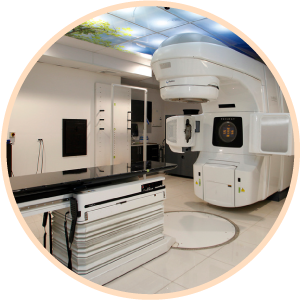
Radiation Oncology treatment orsystemic treatments (chemotherapy orimmunotherapy) all in one place during your stay.

On weekend the patient plus acompanion will enjoy one of our mainparadisical destinations to disconectand relax. There are many destinationsto choose between beaches, montainsand forests.

This package includes all theamenities: transfers, accommodation, tours and foodfor the patient plus a companion.