
Oncological excellence in Central America

Recepción de Radioterapia Siglo XXI

Radioterapia Siglo XXI is the only specialized center in the region to have the Accreditation Commission for Health Care ACHC International and the NOVALIS certification for radiosurgery treatments.

For cancer patients in Central America, finding a center that combines cutting-edge technology, international safety standards, and a comprehensive approach is no longer a challenge. From Costa Rica, Radiotherapy in the 21st Century It is consolidating its position as the regional benchmark in oncology, offering cutting-edge solutions for patients throughout the area.

If you or a loved one are looking for a specialized radiotherapy center, our team offers a comprehensive solution under one roof. Currently, Radioterapia Siglo XXI is the only center in Costa Rica where you can receive both treatments in the same place.

Three pillars that define our clinical excellence

Our medical center centralizes all essential stages of cancer treatment, ensuring coordinated care that eliminates unnecessary transfers and optimizes medical outcomes:

  • Radiotherapy and Advanced Radiosurgery: We use state-of-the-art technology to treat tumors with maximum precision, protecting the surrounding healthy tissues.
  • New Chemotherapy Service: We integrate systemic therapies directly into our facilities, enabling medical oncologists and radiation oncologists to collaborate face-to-face on each treatment plan.
  • Proven International Support: We simultaneously hold accreditation of the ACHC International (excellence in management and patient safety) and the Novalis Certification (the global gold standard in radiosurgery). We are the only center in Costa Rica and the region that holds this dual recognition.

Our team is highly committed to patient well-being and safety.

Furthermore, our facilities are comfortable and modern, specially designed for the comfort of each patient and their companions.
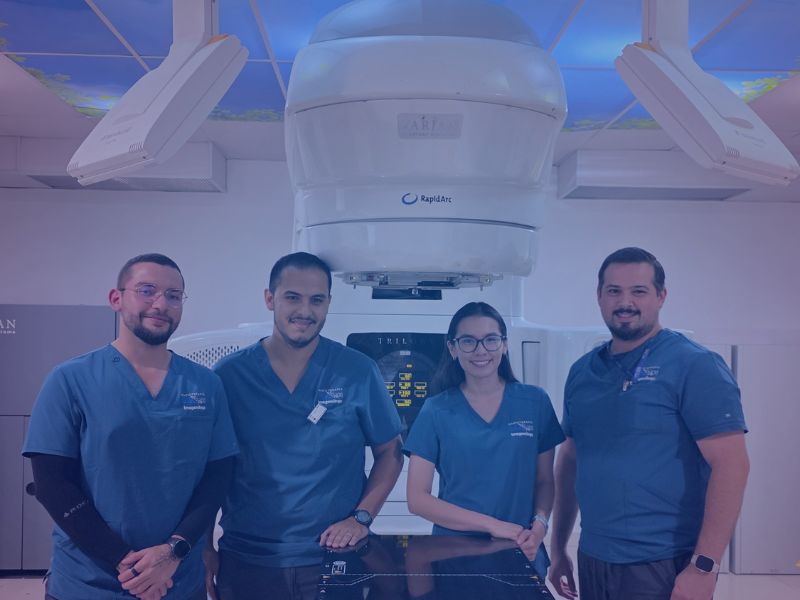
Equipo de imagenólogos de Radioterapia Siglo XXI

Why do patients from Central America choose us?

We know that facing a cancer diagnosis from another country presents logistical and emotional challenges. Therefore, we designed a service focused on facilitating every step of the process for our international patients:

  1. Career and Experience: We have over 25 years of medical experience and have successfully treated over 13,000 patients.
  2. World-Class Specialists: Our medical team comprises professionals trained at the most prestigious universities in Latin America, Europe, and Asia. Meet them our doctors.
  3. International Insurance Management: Our administrative team coordinates directly with leading global insurers to handle authorizations and procedures smoothly.
  4. Strategic Hotel Alliances: We offer agreements with strategically selected accommodations to ensure the comfort, rest, and peace of mind of patients and their companions throughout their stay in the country. The center is strategically located near the country's main hotel chains, offering convenience and tranquility without the need for long journeys.

An unwavering commitment to your health

At Radioterapia Siglo XXI, we transform the complexities of oncology into a safe, coordinated, and humane process. We offer our experience, certified technology, and new chemotherapy service to all of Central America, demonstrating that the best medicine in the world is closer than you think.

Contact us today. Our team takes care of coordinating every detail of your arrival, managing your insurance, and your treatment plan in Costa Rica. Our goal is for you to focus solely on receiving the best treatments and on your recovery.


Christmas and cancer? Tips for the end of the year

Navidad y cáncer

La temporada de fin de año, con sus festividades y reuniones, suele estar marcada por una gran expectativa de alegría. Sin embargo, cuando se está afrontando un diagnóstico o tratamiento oncológico, como la radiation therapy, estas fiestas pueden traer consigo desafíos emocionales y físicos únicos. En Radiotherapy in the 21st Century, sabemos que su bienestar es la prioridad. Por ello, hemos preparado una guía con consejos esenciales para ayudarle a navegar navidad y fin de año y celebrar de una manera que honre su salud y sus emociones.

Establezca Límites Claros y Saludables

El mayor desafío de las fiestas de fin de año es la presión social para participar en exceso. Recuerde que su salud es lo primero.

  • Priorice su Energía: El cansancio es un efecto secundario común del tratamiento. Si decide asistir a un evento, planifique una duración corta y comuníqueselo al anfitrión de antemano. Es válido decir: «Vendré solo por una hora».
  • Aprenda a Decir «No» sin Culpa: No tiene que justificar el rechazo a una invitación. Un simple «Gracias por pensar en mí, pero necesito descansar» es suficiente. Lo invitamos a ver el video de nuestra psicóloga Vera Campos: Celebrar cuando todo está oscuro: cáncer y navidad.
  • Modifique las Tradiciones: Si la tradición familiar es viajar lejos, proponga una reunión más pequeña y cercana en casa este año. Las tradiciones se adaptan a las necesidades de quienes ama.

Cuide su Salud Física y Maneje la Inmunidad

En un entorno social más concurrido, es vital tomar precauciones adicionales, especialmente si su sistema inmunológico está comprometido debido al tratamiento.

  • Lávese las Manos Constantemente: Mantenga una higiene rigurosa, especialmente antes de comer y después de saludar a otros.
  • Evite el Contacto con Enfermos: Pida amablemente a sus seres queridos que se abstengan de visitarle si tienen síntomas de resfriado o gripe.
  • Nutrición Inteligente en Fiestas: El exceso de comidas durante fin de año puede causar malestar. Siga, en la medida de lo posible, la dieta recomendada por su nutricionista. Si va a comer fuera, elija porciones pequeñas y evite alimentos crudos o poco cocidos que puedan aumentar el riesgo de infección.

Gestione la Carga Emocional: Está Bien No Estar «Feliz»

El contraste entre su realidad y la atmósfera festiva puede intensificar sentimientos de tristeza o soledad.

  • Valide sus Emociones: Es normal sentirse triste, frustrado o ansioso. Permítase sentir estas emociones sin juzgarse. Hable con su pareja, un amigo de confianza o un psicólogo si lo necesita.
  • Enfoque en el Significado, No en la Perfección: Concentre su energía en el verdadero significado de la temporada: la conexión, el amor y la gratitud, en lugar de la decoración o el regalo perfecto.
  • Busque Momentos de Calma: Dedique tiempo diario a actividades que le brinden paz, como la meditación, leer, o simplemente disfrutar de una bebida caliente. El bienestar mental es parte de su tratamiento.

Permítase Redefinir la Celebración

Las celebraciones de fin de año no tienen por qué ser grandes para ser significativas.

  • Cree Nuevas Tradiciones: Si no puede viajar, tal vez una nueva tradición sea una videollamada especial con familiares lejanos o una noche de películas festivas en casa.
  • Delegue Tareas: No intente manejar toda la preparación (cocinar, comprar, decorar). Pida ayuda a sus familiares; la mayoría estará encantada de contribuir.
  • Enfoque Local: Si se encuentra en San José o cualquier parte de Costa Rica y busca una celebración tranquila, considere una actividad local y de bajo esfuerzo que le sea placentera.

In Radiotherapy in the 21st Century, estamos comprometidos a que el tratamiento de radiation therapy se integre lo mejor posible a su vida. Esperamos que estos consejos le permitan disfrutar de un fin de año tranquilo y centrado en su recuperación.

When Does Cancer Show No Symptoms? Warning Signs

In many cases, cancer can progress silently without showing clear signs. However, there are warning symptoms that, although they may seem mild or related to other conditions, deserve medical attention. In Costa Rica, the cancers with the highest incidence include prostate, breast, gastric, colon, and lung cancer. Knowing their possible manifestations can make the difference between an early and an advanced diagnosis.

What Symptoms May Be Related to Prostate Cancer?

Prostate cancer is the most common cancer among Costa Rican men. According to data from the Ministry of Health, it represents a significant percentage of annual diagnoses in the country.

Learn more about prostate cancer here here

Warning signs not to ignore:

  • Difficulty urinating or weak urine flow.
  • Frequent need to urinate, especially at night.
  • Blood in the urine or semen.
  • Pain in the lower back or hips.

A preventive checkup can detect the disease before more serious symptoms appear.

What Signs Can Indicate Breast Cancer?

Breast cancer is the leading cause of cancer-related death among women in Costa Rica. Early detection significantly increases the chances of successful treatment.

Learn more about breast cancer here

Warning signs:

  • Presence of a lump in the breast or underarm.
  • Changes in the skin of the breast (dimpling, redness).
  • Alterations in the nipple (retraction, discharge).
  • Pain or changes in breast size.

Monthly self-examinations and regular mammograms save lives.

How Do Gastric and Colon Cancers Manifest?Some of its signs.

In Costa Rica, gastric and colorectal cancers have a high incidence, especially among people over 50.

Warning signs of gastric cancer:

  • Persistent abdominal pain.
  • Nausea, frequent vomiting, or loss of appetite.
  • Unexplained weight loss.
  • Blood in vomit or dark stools.

Warning signs of colon cancer:

  • Changes in bowel habits (constipation, persistent diarrhea).
  • Rectal bleeding or blood in the stool.
  • Feeling of incomplete evacuation.
  • Abdominal pain or intense gas.

Do not ignore long-lasting digestive changes — your body may be sending warning signals.


What Symptoms Can Lung Cancer Cause?

Lung cancer remains one of the most aggressive and deadly cancers. Smoking, secondhand smoke, and pollution are major risk factors.

Warning signs:

  • Chronic cough that does not improve.
  • Chest pain when coughing or taking deep breaths.
  • Coughing up blood.
  • Shortness of breath or wheezing.

A timely X-ray or CT scan can make all the difference.

Why Is It Vital to Address These Symptoms Early?

The Early diagnosis makes the difference between a less invasive and a more complex treatment. In Costa Rica, survival rates increase significantly when cancer is detected at an early stage. It makes the difference between a less invasive treatment and a more complex one. In Costa Rica, the survival rate increases considerably when cancer is detected in its early stages.

Remember: it’s not about panicking over every symptom, but about paying attention, getting medical checkups, and not postponing preventive screenings.

Cancer Treatments in Costa Rica: Options and Advances

Several treatment alternatives are available in the country:

  • Oncological surgery to remove localized tumors.
  • Chemotherapy and targeted therapies that attack cancer cells throughout the body.
  • Immunotherapy, which strengthens the immune system to fight the disease.
  • Radiotherapy, a high-precision option that destroys tumor cells with minimal impact on healthy tissues.

At our medical center, we offer advanced radiotherapy technology designed to treat with precision and safety, providing patients with an effective and less invasive alternative compared to other treatments.

Conclusion: Listening to your body’s signals and acting early can save your life. Do not ignore warning symptoms and trust a specialized team in cancer detection and treatment.

Visit our YouTube channel to watch real testimonials from some of our patients.

Radioterapia y Calidad de Vida: ¿Cómo lograrlo?

Calidad de vida durante el tratamiento de radioterapia

Recibir un tratamiento de radioterapia es un paso crucial en la lucha contra el cáncer. Sin embargo, en Radioterapia Siglo XXI en Costa Rica, entendemos que el bienestar del paciente va más allá de la mera erradicación de las células cancerosas. Mantener una buena calidad de vida durante y después del tratamiento es esencial. Este artículo te brindará consejos prácticos para cuidar tu cuerpo y mente mientras avanzas en tu camino hacia la recuperación.

¿Por qué es importante la calidad de vida durante la radioterapia?

Priorizar tu bienestar durante la radioterapia no solo te ayuda a sentirte mejor, sino que también puede influir positivamente en tu capacidad para completar el tratamiento y recuperarte. Al manejar los efectos secundarios y cuidar tu estado emocional, puedes:

  • Reducir la Fatiga: Uno de los efectos secundarios más comunes, que puede aliviarse con buen descanso y manejo del estrés.
  • Mantener la Energía: Una nutrición adecuada y actividad física ligera pueden ayudar a conservar tus niveles de energía.
  • Mejorar el Estado de Ánimo: Reducir la ansiedad y el estrés puede hacer que el proceso sea más llevadero.
  • Fomentar la Recuperación: Un cuerpo y una mente fuertes están mejor equipados para sanar.

Claves para mantenerse bien durante el tratamiento

Aquí te presentamos estrategias y consejos para integrar en tu día a día:

1. Nutrición Consciente y Personalizada

La alimentación juega un papel vital. La radioterapia puede alterar el apetito o causar cambios en el gusto.

  • Prioriza alimentos nutritivos: Incluye frutas, verduras, proteínas magras y granos integrales.
  • Mantente hidratado: Bebe abundante agua, jugos naturales o caldos.
  • Comidas pequeñas y frecuentes: Si las comidas grandes te resultan pesadas, opta por porciones más pequeñas a lo largo del día.
  • Consulta con tu equipo: Si tienes náuseas, dificultad para tragar o pérdida de apetito persistente, habla con tu médico o un nutricionista. En Radioterapia Siglo XXI, podemos orientarte sobre recursos disponibles.

2. Manejo de la Fatiga: Escucha a tu Cuerpo

La fatiga es quizás el efecto secundario más frecuente.

  • Descansa lo suficiente: Permítete dormir las horas necesarias y toma siestas cortas si lo requieres.
  • Prioriza actividades: Decide qué es esencial y no te exijas demasiado. Delegar tareas si es posible.
  • Ejercicio suave: Aunque suene contradictorio, la actividad física ligera (caminar) puede ayudar a reducir la fatiga. Consulta siempre con tu médico antes de iniciar cualquier rutina.

3. Cuidado de la Piel: Protección y Suavidad

La piel en la zona tratada requiere atención especial.

  • Hydration: Usa cremas humectantes recomendadas por tu equipo médico.
  • Limpieza suave: Lava la zona con agua tibia y jabón neutro, secando con toques suaves.
  • Ropa holgada: Prefiere prendas de algodón suaves y holgadas que no rocen la piel.
  • Evita el sol: Protege la zona tratada de la exposición directa al sol, incluso después de finalizar el tratamiento.

4. Bienestar Emocional y Apoyo Psicosocial

El impacto emocional del cáncer y su tratamiento es significativo.

  • Expresa tus sentimientos: Habla con familiares, amigos o un terapeuta. No guardes tus preocupaciones.
  • Busca grupos de apoyo: Conectarte con otras personas que atraviesan situaciones similares puede ser muy reconfortante y ayudarte a sentirte menos solo.
  • Actividades placenteras: Dedica tiempo a pasatiempos que disfrutes y te relajen, como leer, escuchar música, meditar o pasar tiempo en la naturaleza (si tu condición lo permite).
  • Recursos en Costa Rica: Infórmate sobre organizaciones y servicios de apoyo psicológico para pacientes oncológicos disponibles en el país. (Todos los miércoles de cada mes contamos con una charla gratuita con nuestra psicóloga Vera Campos a través de Facebook)

5. Mantente Activo (con Precaución)

Mantener un nivel de actividad física adecuado a tus posibilidades tiene muchos beneficios.

  • Paseos cortos: Incluso caminar unos minutos al día puede mejorar tu estado de ánimo y energía.
  • Estiramientos suaves: Ayudan a mantener la flexibilidad.
  • Consulta médica: Siempre, antes de iniciar o modificar cualquier rutina de ejercicio, consúltalo con tu oncólogo radioterapeuta.

In Radiotherapy in the 21st Century, nuestro compromiso es con tu salud integral. No solo te ofrecemos tecnología de vanguardia para tu tratamiento de radioterapia en Costa Rica, sino también el apoyo y la información necesaria para que mantengas tu bienestar y calidad de vida durante todo el proceso. Si tienes preguntas o necesitas más orientación, no dudes en hablar con nuestro equipo.

Advice for patients who are going to receive radiotherapy treatment

Receiving a cancer diagnosis and starting radiation therapy treatment can raise many questions and cause uncertainty. Radiotherapy in the 21st Century We want to support you every step of the way. That's why we've prepared a guide with practical tips to help you prepare physically and emotionally for your radiotherapy treatment in Costa Rica.

Preparing for your radiotherapy treatment

Get informed and ask questions: Don't hesitate to ask your medical team any questions you may have about the treatment: what to expect, possible side effects, session duration, etc. Good communication will help you feel more confident and in control.

Contact your Support Team: Talk to your family, friends, and loved ones about your feelings and concerns. Their emotional support is crucial during this process. Consider joining cancer support groups as well.

Maintain a Healthy Lifestyle:

  • Nutrition: Follow a balanced and nutritious diet. If you have any restrictions or need specific recommendations, consult your doctor or a nutritionist.
  • Hydration: Drink enough water to stay hydrated.
  • Light Exercise: If you feel energetic, engage in gentle physical activity as directed by your doctor. Exercise can help reduce fatigue and improve your mood.

Organize your Logistics: Plan how you will get to your radiotherapy appointments, who will accompany you if necessary, and organize your daily activities to minimize stress.

Prepare your skin: Consult your medical team about how to care for your skin in the area where you will receive radiation. Generally, it is recommended to avoid using lotions, creams, or deodorants without medical approval before each session.

During treatment: care and well-being

Be punctual for your appointments: Adhering to your treatment schedule is crucial for its effectiveness.

Follow the Medical Team's Instructions: Pay attention and follow the instructions of the radiation therapists and nurses to the letter.

Take care of your skin gently:

  • Gently wash the treated area with warm water and mild soap. Avoid rubbing.
  • Dry your skin with gentle touches.
  • Wear soft, loose clothing to avoid irritation.
  • Protect your skin from the sun. Consult your doctor about using safe sunscreens for the treated area.

Maintain good nutrition and hydration: Continue to eat a healthy diet and drink plenty of fluids to help your body cope with the treatment and recover.

Get Enough Rest: Radiation therapy can cause fatigue. Make sure you get enough sleep and take naps if you need to.

Report any side effects: Inform your medical team about any discomfort or side effects you experience. They will be able to recommend treatments to help you manage them.

Maintain a Positive Attitude: Surround yourself with supportive people and find activities that you enjoy and that help you maintain a good mood.

After radiotherapy: recovery and follow-up

Follow the Follow-Up Instructions: Attend all your follow-up appointments with your radiation oncologist. They are important for monitoring your recovery and detecting any potential problems early.

Continue Caring for Your Skin: The treated skin may remain sensitive for some time after radiation therapy ends. Follow your doctor's recommendations for long-term care.

Adopt a Healthy Lifestyle in the Long Term: Maintaining a balanced diet, exercising regularly (according to your abilities) and avoiding tobacco and excessive alcohol consumption can contribute to your overall well-being and reduce the risk of recurrence.

Seek ongoing support if you need it: If you experience delayed effects or have emotional concerns after treatment, don't hesitate to seek help. psychological support or join support groups. (You can find free talks on psychological and emotional support on our social media.)

In Radiotherapy in the 21st Century In Costa Rica, we are committed to providing you not only with quality radiotherapy treatment, but also the support and information you need at every stage of your journey.